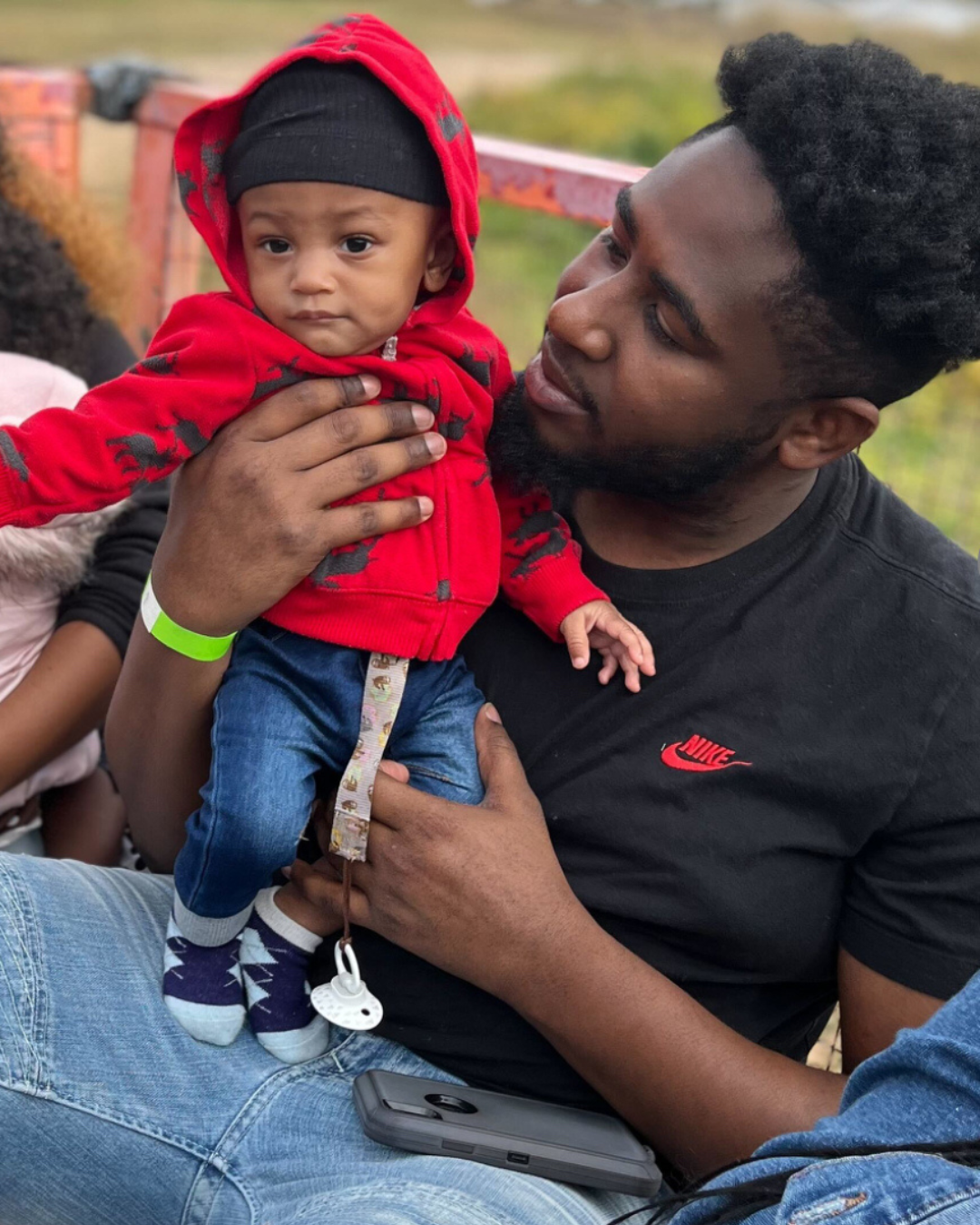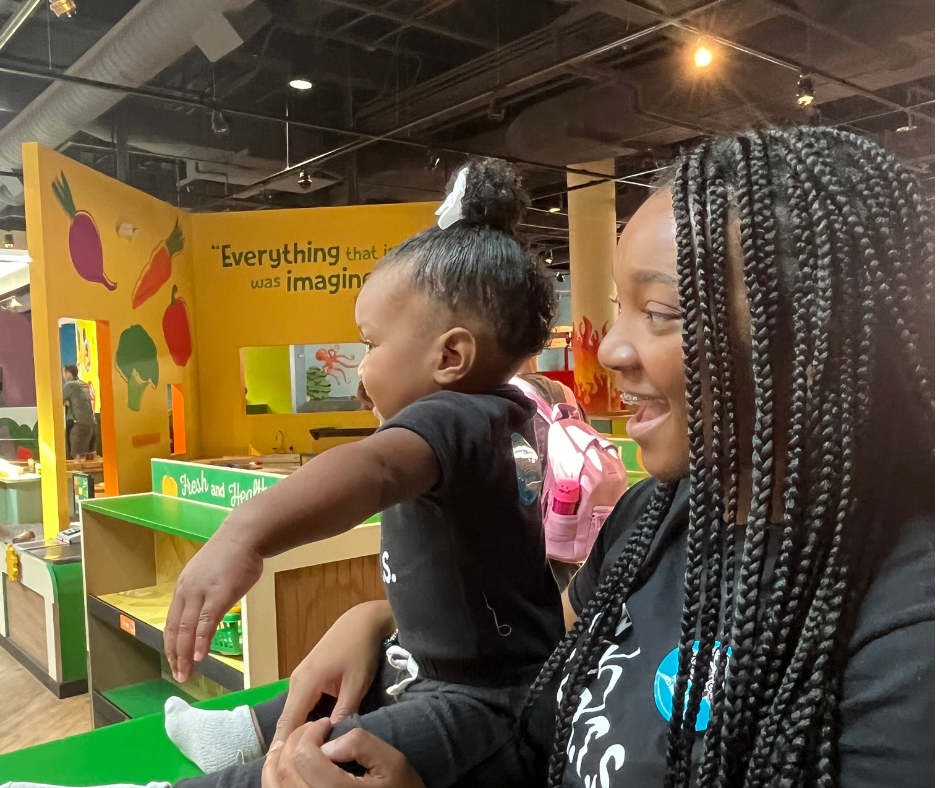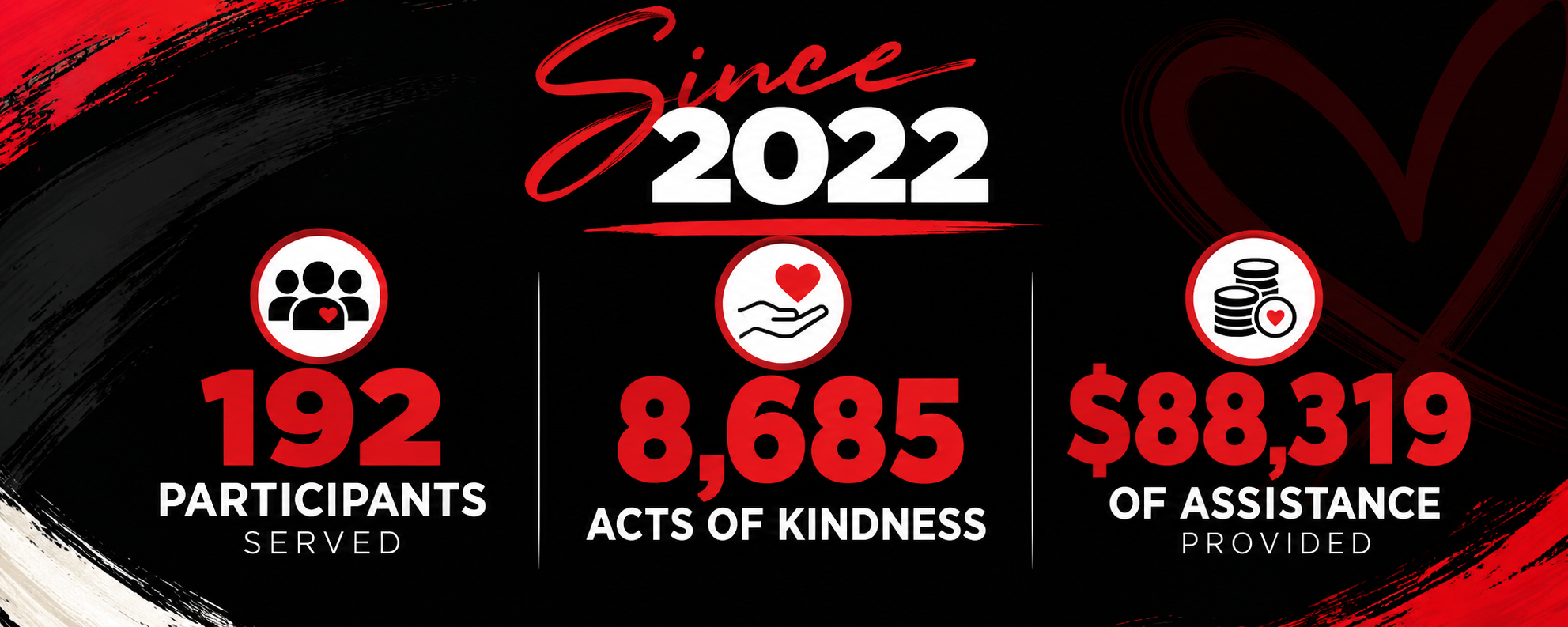
Our StoryAlthough H.E.A.R.T.S. has been serving young parents and families since 2012, our impact extends far beyond the numbers shown here. In 2022, a generous donation allowed us to implement a CRM system and begin consistently tracking our services, resources, and participant outcomes. Therefore, the data presented reflects our documented impact since 2022 and represents only a portion of the lives H.E.A.R.T.S. has touched throughout more than a decade of service.
Why We Are Needed
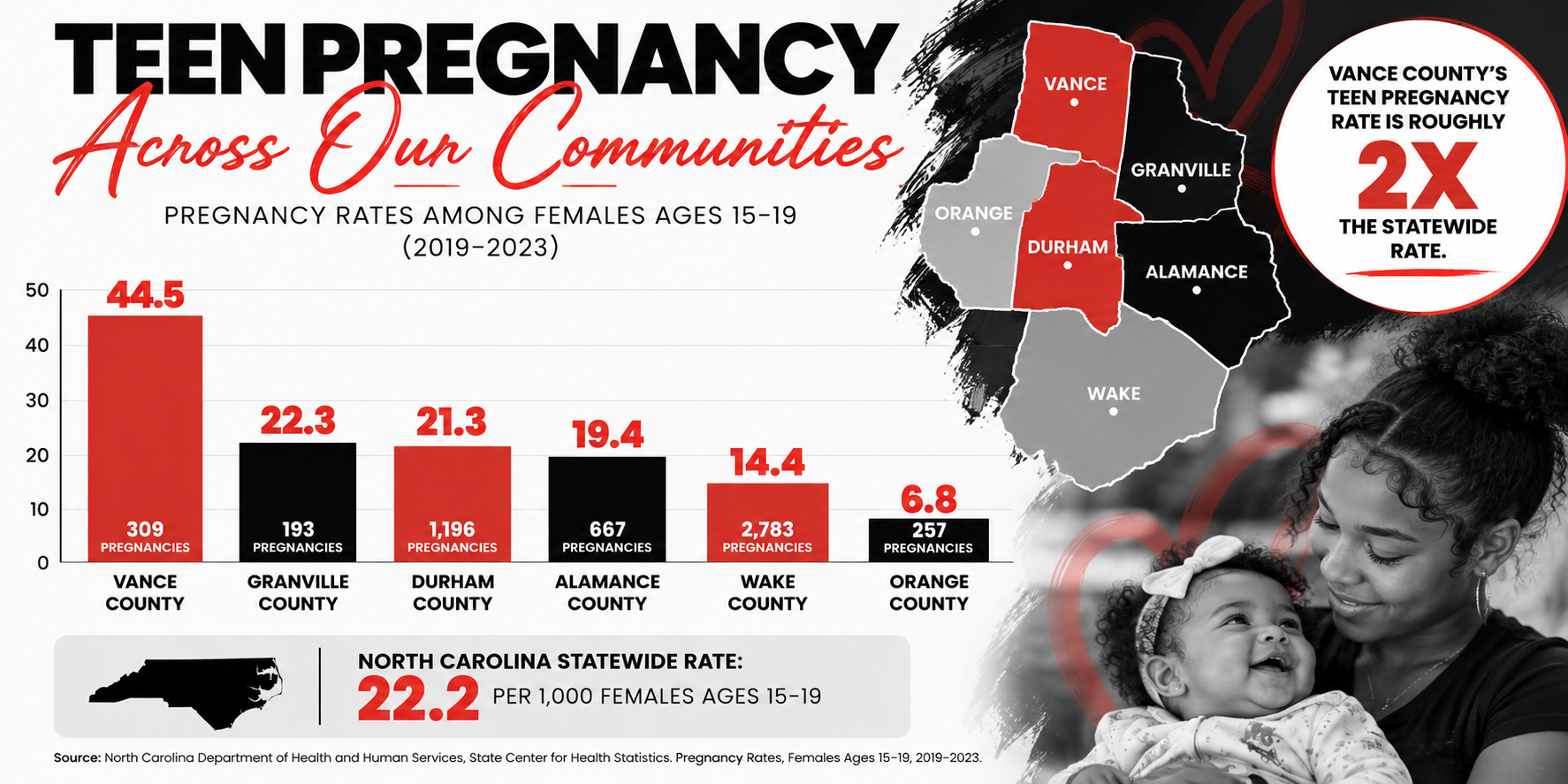
What began as a commitment to supporting young parents in Durham has expanded into a regional effort. H.E.A.R.T.S. now serves pregnant and parenting adolescents across Durham, Wake, Orange, Alamance, Vance, and Granville counties, connecting young families with education, advocacy, case management, parenting support, basic-needs assistance, and community resources.
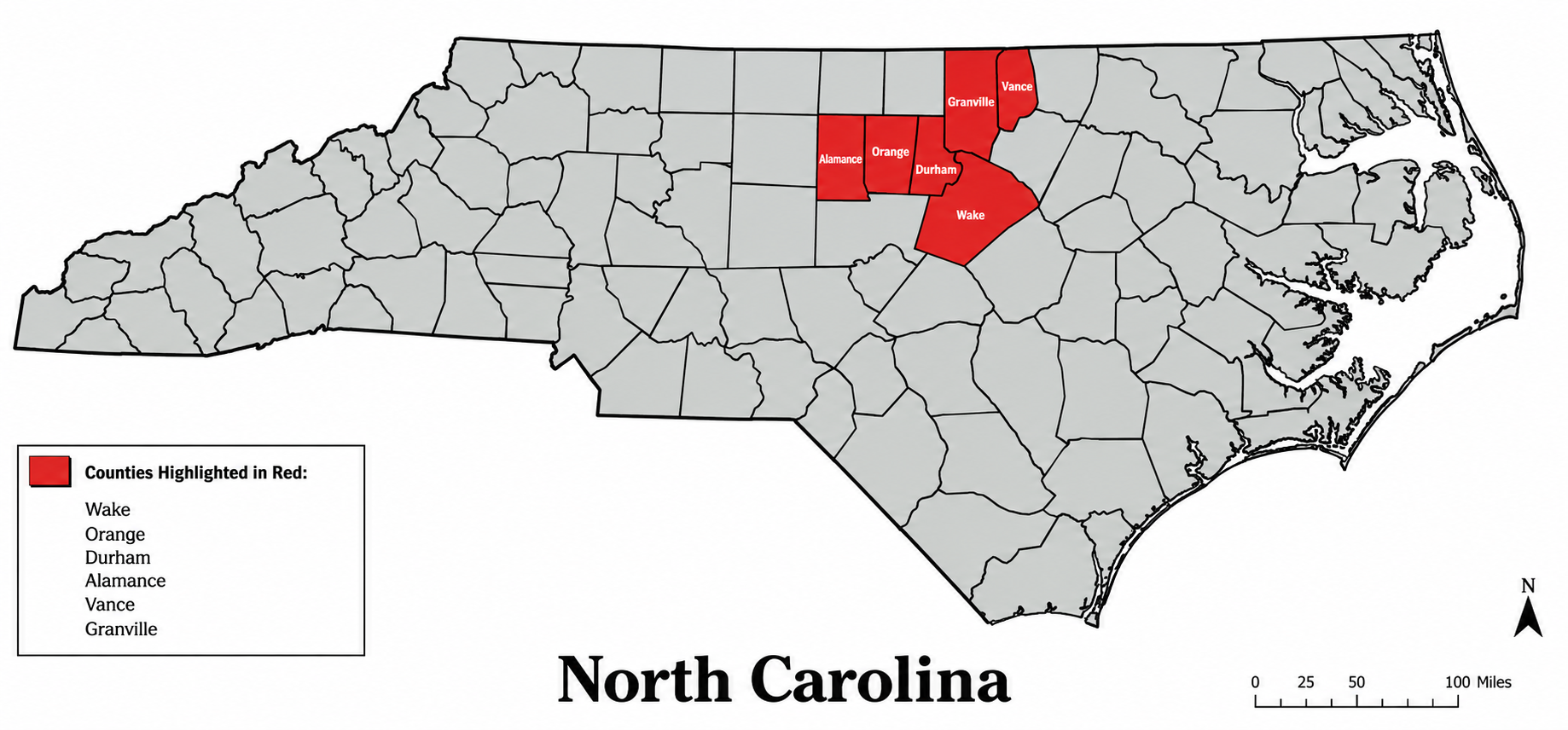
Teen pregnancy continues to impact communities throughout our service area. H.E.A.R.T.S. bridges critical gaps by providing pregnant and parenting adolescents with advocacy, education, case management, parenting support, essential resources, and connections to community services that help young families thrive.
Reflecting on Our 2025–2026 Impact
The 2025–2026 fiscal year was another year of meaningful impact for H.E.A.R.T.S. Through individualized case management, group education, advocacy, parenting support, and access to essential resources, we continued walking alongside pregnant and parenting adolescents as they worked toward greater stability and success. During the year, 109 young parents were served, 92 received individualized case management, and 72 participated in group education and support sessions. Our work continued to grow beyond Durham, strengthen
109
Young Parents
Served
92
Individualized
Case Management
72
Received Individualized
Case Management
MORE THAN NUMBERS
Every number represents a young parent working toward a stronger future for themselves and their child.
H.E.A.R.T.S. works alongside pregnant and parenting adolescents to help them remain connected to education, strengthen parenting skills, access critical resources, build healthy support systems, and move toward greater stability and self-sufficiency.
When young parents have the support they need to thrive, their children and communities benefit too.